
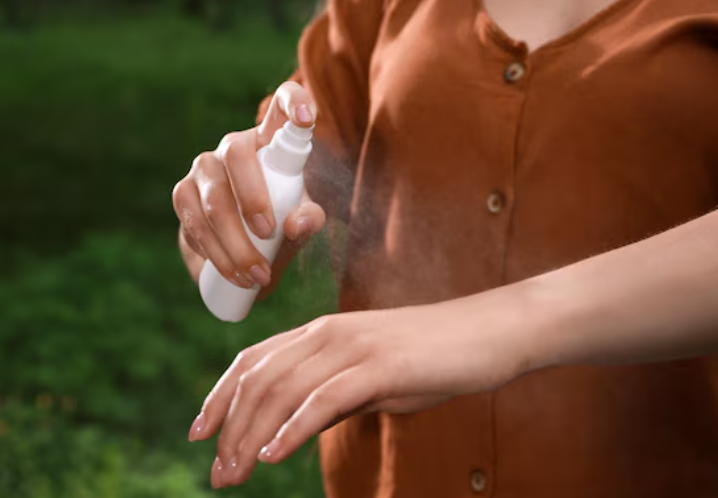
When Protection Backfires: Is Your Repellent Too Harsh?
Strong bug protection should not mean angry, burning skin. If your insect repellent leaves your arms red, tight, or itchy, your skin is telling you something very clearly: this is too much. For anyone with sensitive or easily upset skin, the wrong product can turn a lovely spring picnic or sunny holiday into a sore, uncomfortable mess.
We know there is a real tension here. You want fewer bites, but you also want soft, calm skin that feels good in your clothes and in the sun. In this guide, we will walk through the main signs that your current product is too harsh, why it happens, and simple ways to switch to a gentler insect repellent for sensitive skin that still keeps bugs at bay. We will also share how a plant-based approach, like the one we use at Alfresco Shop here in the UK, can care for your skin as well as protect it.
Red Flags Your Skin Is Saying “This Is Too Strong”
Sometimes your skin reacts within minutes of applying a spray or lotion. That fast reaction is a big red flag.
Clear warning signs include:
- Stinging or burning that lasts longer than a couple of minutes
- A tight, dry feeling that does not ease off
- Skin feeling hot or sore when you move or touch it
A light, short tingle can happen with some essential oils. This should fade quickly and not get worse. If the sensation ramps up, or you feel you want to wash the product off, it is likely too harsh for you.
You may also see obvious changes on the surface of your skin:
- Redness or blotchy patches
- Small bumps where you sprayed or rubbed the product
-
Flaky, rough or dry areas that were smooth before
These often show up on thinner, more delicate skin such as the inner arms, neck, backs of the knees and around the eye area. Those spots are already more reactive, so a strong formula can upset them fast.
Not every reaction is instant. Delayed reactions are common, especially after a day in the sun or after sweating. You might notice:
- Itchiness appearing hours after application
- A warm, prickly feeling later in the evening
- Skin that feels extra sensitive the next day
If this keeps happening, your skin can become sensitised. That means it starts to react to products it used to accept, simply because the barrier has been worn down over time.
Ingredients That Often Aggravate Sensitive Skin
Some ingredients are more likely to bother reactive or eczema-prone skin. Knowing what to watch for on the label can save you a lot of trial and error.
High-strength synthetic repellents can be very effective, but they are not always kind. DEET is a well-known example. At higher levels or with frequent top-ups, it can:
- Dry out the skin
- Cause stinging on delicate or broken areas
- Make existing irritation feel worse
Using strong products on areas that are already scratched, shaved or sunburnt can increase the chance of discomfort.
It is not just the main active that can cause trouble. Extra parts of the formula can also upset sensitive skin, such as:
- Alcohol-heavy bases that feel sharp and drying
- Certain preservatives that some people react to
- Strong synthetic fragrances and colourants
Sprays that promise things like "extra-long protection" or "heavy duty" often rely on higher levels of active ingredients or stronger supporting ingredients, which can be harder for delicate skin to handle.
Natural does not always mean gentle either. Some essential oils can be irritating if they are not balanced carefully. The wrong strength or mix can trigger sensitivity, especially with repeated use. It is always wise to:
- Patch test even plant-based products
- Choose formulas created with sensitive skin in mind
- Start slow, rather than covering your whole body at once
How to Choose a Gentler Insect Repellent for Sensitive Skin
If your skin is already on edge, your repellent should help calm it, not fight it. Look for products that treat skin care and bug care as a pair.
Gentler options often:
- Combine moisturisers like plant oils or butters with repellent actives
- Use lotion or cream textures that feel soft instead of harsh or drying
- Leave a light, comfortable finish rather than a tight or sticky film
Non-greasy lotions and creams are especially good for delicate or mature skin. They can support the barrier while you are out in the garden, walking by the coast or relaxing on a balcony on holiday.
Label clues that may suit sensitive skin better include:
- DEET-free formulas
- Dermatologically tested
- Suitable for sensitive skin
- Made without harsh alcohols or strong synthetic fragrance
If you like to know how and where products are made, looking for cruelty-free and UK-made can offer extra peace of mind and traceability. At Alfresco Shop, for example, we create plant-based insect repellent, fragrances, moisturisers and lotions here in the UK using our own blend of essential oils.
It also helps to match your repellent to your plans. For UK spring and summer, many people like lighter products that:
- Feel like a daily body lotion
- Add a pleasant, wearable scent
- Slip easily under clothes without stickiness
For holidays and travel, choose an insect repellent for sensitive skin that layers well with SPF, feels OK to reapply in warm weather and does not overwhelm your skin when you top it up through the day.
Smarter Application Habits That Keep Skin Calm
Even the gentlest formula can cause issues if it is used in a rush. Small habit changes can make a big difference for sensitive skin.
First, prep and patch test. Try:
- Applying a small amount on the inner arm
- Waiting 24 hours before heavy use
- Using it on clean, dry, unbroken skin
Avoid stacking several brand new products at once, such as a new SPF, new perfume and new repellent all on the same day. Your skin then has no chance to tell you which one is the problem.
Next, think about how much you apply. More is not always better. You can:
- Focus on exposed areas like arms, legs and ankles
- Pay attention to pulse points such as wrists and behind knees
- Leave a little time between moisturiser, SPF and repellent
That short gap lets each layer settle and reduces the "cocktail" effect that can stress the skin barrier.
After a day in the sun or if you did get a few bites, gentle aftercare really helps. Reach for:
- Soothing, fragrance-light body lotions
- Calming balms on any sore spots
- Cool, clean skin before reapplying products
A well-balanced plant-based repellent fragrance can help cut down the number of bites in the first place, which means you are less likely to reach for strong anti-itch creams later.
Upgrade Your Routine to Kind, Effective Bug Protection
If your insect repellent makes your skin burn, itch, feel tight or look red and blotchy, that is not something to push through. These are clear signals that the formula is too strong for you, and ignoring them can leave your skin more reactive over time. Sensitive skin deserves protection that works with it, not against it.
The good news is you do not have to pick between comfort and protection. By choosing a DEET-free, plant-based insect repellent for sensitive skin, checking labels carefully and using smarter application habits, you can enjoy your spring and summer plans without worrying about sore, angry arms and legs. At Alfresco Shop, we focus on UK-made insect repellent, fragrances, moisturisers and lotions that bring together natural bite protection and a touch of everyday luxury, so your skin can stay calm while you enjoy the outdoors.
Protect Sensitive Skin While Enjoying The Outdoors
If you are ready to keep bites at bay without irritating delicate skin, explore our specially formulated insect repellent for sensitive skin today. At Alfresco Shop, we carefully balance effective protection with gentle ingredients, so your whole family can feel comfortable outside. If you have any questions about which product is right for you, simply contact us and we will be happy to help.
