
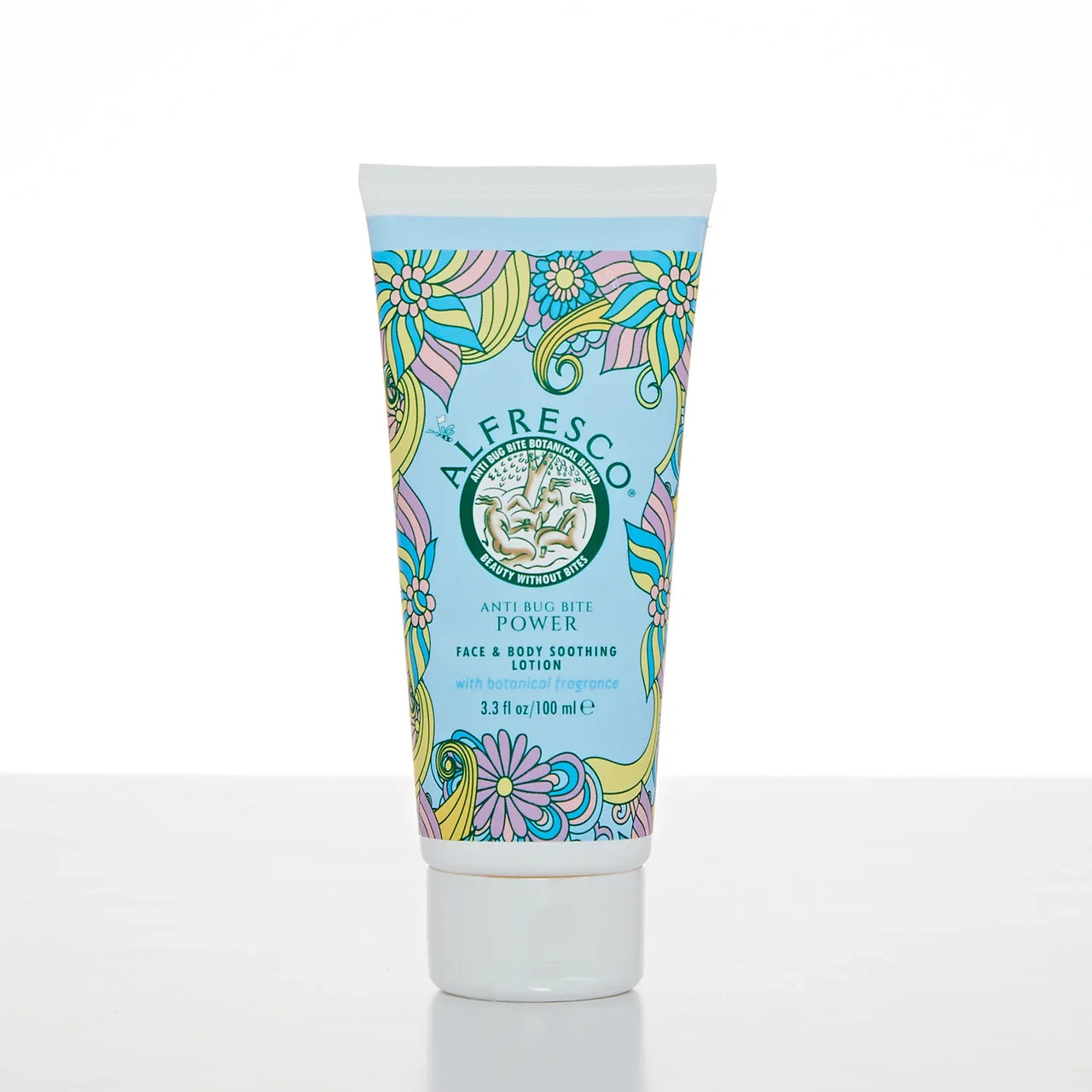
Decode “Non-Toxic” Before Summer Bites Back
Choosing a non-toxic insect repellent sounds simple. You want something that keeps bites away, feels good on skin, and does not worry you when you put it on the kids before a day outside. Then you stand in front of a shelf covered in words like non-toxic, natural, gentle, eco and it suddenly feels confusing.
As late summer holidays, park picnics and warm garden evenings roll on, more of us are reaching for products that promise safe bite protection. At the same time, brands throw around soft, friendly words that are not always backed up by clear rules. That makes it hard for families, people with sensitive skin, and anyone who cares about ingredients to know what to trust.
Here at Alfresco Shop, we work with scent and plant oils every day, so we see this confusion up close. In this guide, we will unpack what non-toxic actually means in law, how to read labels so you can tell active and inactive ingredients apart, and how to sort careful, thought-through formulas from simple greenwashing.
What “Non-Toxic” Legally Means in the UK and EU
First, a slightly awkward truth: non-toxic is not a tightly defined legal term for most skincare and many repellents in the UK or EU. It is mainly marketing language. It sits next to words like natural or clean, which sound reassuring but do not replace a formal safety check.
What is controlled by law is different. Under chemical rules and biocidal rules, ingredients are sorted into hazard classes like toxic, harmful or corrosive, and given warning phrases when needed. These risk phrases are not soft marketing language, they come from specific tests and safety standards.
Insect repellents sit in a tricky middle space. When a product clearly claims to repel insects or prevent bites, it can fall under rules for biocidal products. That usually means:
- Approved active ingredients
- Clear active ingredient names and levels
- Stronger focus on how well the product works
- Specific safety wording and usage advice
Some products are framed first as cosmetics that moisturise and smell beautiful, with an added benefit of helping to protect against bites. The more the wording sounds like a hard repellent claim, such as “prevents bites” outright, the more likely it is to trigger the biocidal route.
So what can we fairly expect when a label says non-toxic? In plain terms, it usually signals:
- Lower concern ingredients compared with harsher options
- A formula intended for regular, everyday use on skin
- A focus on safety when used as directed
What it does not mean is absolute safety for every person in every situation. Even the gentlest blend can trigger a reaction in someone somewhere. That is why it is still important to:
- Patch test on a small area first
- Follow the usage instructions and reapply times
- Respect age guidance and advice for pregnancy or medical conditions
Non-toxic should be a starting point for questions, not the end of them.
How to Read Active vs. Inactive Ingredients with Confidence
To really understand a non-toxic insect repellent, you need to know which bit of the formula does what.
Active ingredients are the stars of the show. These are the substances that actually help deter insects. Common examples include DEET, picaridin and some essential oils. On a biocidal product, the active ingredient and its concentration should be clearly listed, often near the front of the pack.
Inactive ingredients, sometimes called cosmetic ingredients, are everything else in the mix. They can be:
- Plant oils and butters that moisturise
- Alcohols or waters that carry the active ingredients on the skin
- Fragrances, including essential oil blends, that give a pleasant scent
-
Preservatives and stabilisers that keep the product safe and usable
Inactive does not mean harmless by default. Many people find that their skin reacts not to the active ingredient, but to fragrance allergens or certain preservatives. If you have sensitive skin, the INCI list, which is the long ingredient list on the back, is your best friend.
A simple way to decode a label:
1. Find the active ingredient and its level. Is it something you know you like, or would rather avoid, such as DEET?
2. Scan the INCI list for known triggers for you, such as common perfume allergens.
3. Look at the format. Sprays may feel lighter but can cover large areas quickly, creams or lotions can double as skincare.
4. Notice if the brand sounds as careful about the base as about the bugs, for example using nourishing plant oils and thoughtful essential oil blends rather than vague fragrance.
When a brand treats every part of the formula with care, not just the insect-repellent bit, that is a good sign.
Separating Safe Formulations From Greenwashing Claims
Greenwashing is when products sound kinder to people or the planet than they really are. With non-toxic insect repellent, it often shows up in airy promises with little detail behind them.
Common warning signs include:
- Claims like chemical free, when everything on the planet, including water, is a chemical
- 100% safe or harmless to everyone and everything, which ignores allergies and sensitivities
- Missing or patchy ingredient lists, or only using fluffy plant names instead of full INCI names
- Heavy use of green leaves, soft colours and natural buzzwords, but no mention of testing or regulations
Any time a product scares you away from all other options without giving clear, balanced facts, that is another red flag. Real safety talk tends to sound calm and specific, not dramatic.
On the other hand, credible safety communication usually includes:
- A full ingredient list using INCI names, even for plant oils and fragrance
- Clear, realistic claims about how well it protects and for how long
- Some reference to safety checks, such as cosmetic safety assessments or dermatological testing
- Practical guidance, like age suitability, whether it is okay in pregnancy, how often to reapply, and how it works with sun exposure
Brands that want you to feel informed, not just impressed, will give you the detail you need to decide if a product suits your skin and your values.
A Practical Checklist for Choosing a Non-Toxic Insect Repellent
Once you understand the language, choosing gets easier. Use this simple checklist next time you are stocking up for a late summer escape or a warm weekend in the garden.
Start with the basics:
- Is it clearly a biocidal repellent, a cosmetic with added protection, or a mix of both?
- What is the active ingredient, and at what strength?
- Do you want to avoid DEET and go for a plant-based or essential-oil-based option instead?
- Is the product described as suitable for children or sensitive skin?
Then think about your skin and daily life:
- Does it double as a moisturiser, or will you need separate skincare underneath?
- Will it sit comfortably under sunscreen, clothes and light makeup?
- Are there any ingredients you know you personally react to?
- Do you actually enjoy the scent enough to wear it all day on holiday, at work or in the garden?
Finally, look for supporting evidence:
- Reviews or comments from people who mention similar skin types or needs
- Mention of dermatological testing or expert safety assessment
- Clear explanations of why certain essential oils or plant ingredients were chosen and how their levels are controlled
Thoughtful, multi-purpose products that blend hydration, fine-fragrance-style scent and gentle plant-based bite protection can be a smart choice for long, mild British summers, when you want something you can reach for every day without thinking twice.
Shop and Use Smarter This Season, Not Just “Greener”
The next time you see non-toxic on a bottle, treat it as an invitation to flip the product over and dig a little deeper. When you read the label with confidence, buzzwords lose their power and you can focus on what really matters: ingredients, testing, clear instructions and how the product fits your life.
At Alfresco Shop in London, we create British-made, DEET-free skincare and fine-fragrance-style products that combine carefully chosen essential oils with daily moisturising and natural bite protection. By choosing brands that balance pleasure in use with honest, transparent safety information, we can all stay comfortable, feel good in our skin and keep summer bites at bay without falling for greenwashing gimmicks.
Enjoy Safer Outdoor Time With Effective Protection
Enjoy your garden and outdoor adventures with confidence by choosing a proven non-toxic insect repellent from Alfresco Shop - LBL. We carefully formulate our products to be kind to your skin while helping to keep biting insects at bay. Browse our range today to find the right option for your household, or contact us if you would like tailored advice.
